Cryotherapy After Workouts: Recovery Tips for Active Lifestyles
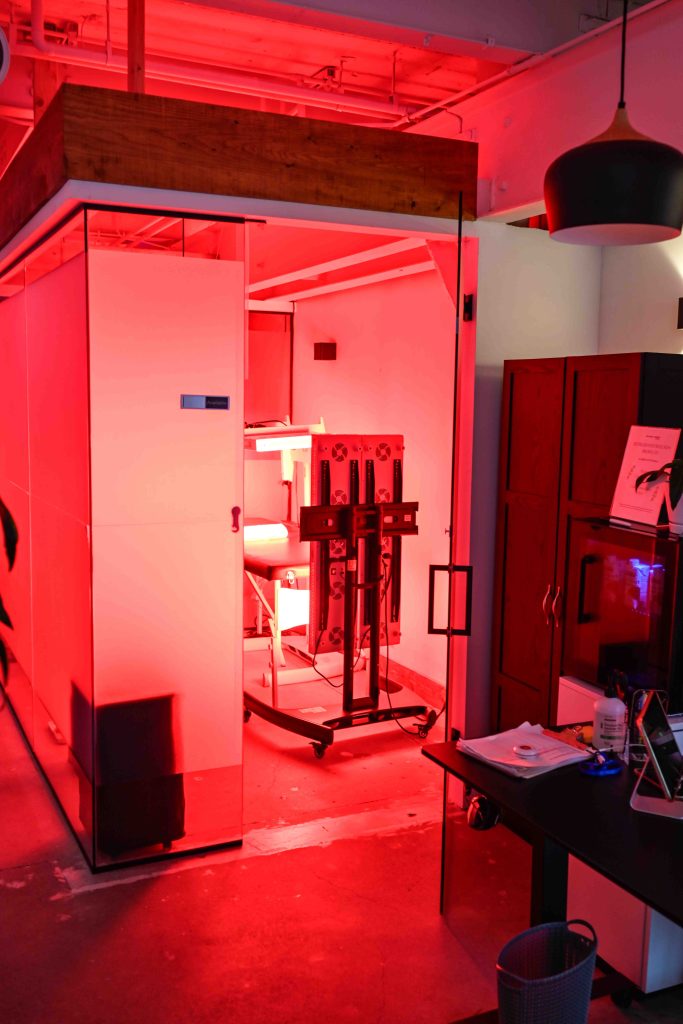
Hard training leaves traces. Sometimes it is the satisfying heaviness after a hill session, sometimes the stiffness that shows up the next morning when you reach for the coffee mug and realize your shoulders are not as cooperative as they were yesterday. Recovery sits in that gap between effort and adaptation. Do it well, and training compounds. Neglect it, and even a smart program can start to feel like a grind.
Cryotherapy has become one of the more talked about recovery tools in gyms, sports clinics, and wellness centers. The interest makes sense. Cold has a long history in sports medicine, and modern cryotherapy packages that familiar idea into several formats, from classic ice baths to localized cold treatments and whole body sessions. The appeal is obvious for active people with limited time. A few minutes of intense cold promises a quicker reset, less soreness, and a better chance of showing up ready for the next workout.
The reality is more nuanced, which is exactly why cryotherapy deserves a practical discussion rather than hype. It can be useful. It can also be overused, mistimed, or treated like a magic shortcut. Recovery rarely works that way. The people who get the most from cryotherapy usually pair it with good judgment, consistent sleep, enough food, and a training plan that respects stress.
What cryotherapy really means after exercise
In casual conversation, cryotherapy gets used as a catch-all term for any recovery practice involving cold. That can include a cold shower after a run, an ice pack on a cranky knee, a tub filled with cold water, or a brief visit to a cryotherapy chamber. Those methods are related, but they are not identical.
Traditional cold water immersion exposes a large part of the body to cold water, often somewhere in the range of about 50 to 59 degrees Fahrenheit, though practices vary widely. Whole body cryotherapy usually involves standing in a chamber with very cold air for two to four minutes. Local cryotherapy targets one region, such as a shoulder or ankle, with compressed cold air or an ice application.
The shared goal is simple. Cold exposure may help reduce perceived soreness, dampen some of the inflammatory response associated with intense exercise, and create a temporary sense of relief. It can also leave people feeling fresher, which matters more than some coaches admit. If an athlete feels less beaten up, they are more likely to move well in the next session.
Still, less soreness is not the same as better adaptation. That distinction matters.
Why active people reach for cold after hard sessions
If you train regularly, you can usually tell the difference between productive fatigue and the kind that lingers too long. Cryotherapy tends to be most attractive when training density is high. Think of the recreational runner doing speed work Tuesday and a long run Thursday, the parent squeezing in strength sessions before work, or the amateur tennis player competing across a weekend tournament.
In those cases, recovery is not an abstract ideal. It is logistical. You need enough rebound to perform again soon.
Cold exposure can help most in moments like these because it addresses the immediate experience of soreness and heaviness. Many athletes describe a shorter recovery window after especially demanding sessions, particularly after repeated sprint work, contact sports, or training blocks with a lot of eccentric loading. A tough lower body day with split squats, downhill running, or change-of-direction drills tends to produce the kind of soreness that makes cold appealing.
I have also seen a psychological benefit, especially among disciplined athletes who struggle to transition out of high gear. A structured recovery ritual, whether that is a ten-minute cool-down walk or a cryotherapy appointment after training, tells the nervous system that the work phase is over. That alone can improve adherence to recovery habits.
What the evidence suggests, in practical terms
Research on cryotherapy is mixed, largely because the methods differ so much. Water temperature, air temperature, duration, timing, training status, and the type of exercise all affect the result. That said, a few practical themes come up consistently enough to guide real-world use.
Cold exposure often helps reduce delayed onset muscle soreness, especially in the day or two after hard training. It may also improve perceived recovery, which can support performance when events or sessions are tightly spaced. Many athletes report less limb heaviness and a quicker return to normal movement after cold water immersion.
The less comfortable truth is that routine post-workout cold exposure may not always be ideal if your main goal is long-term adaptation, especially muscle growth and some strength gains. Part of training is controlled inflammation and cellular signaling. If you blunt that response too aggressively after every lifting session, you may reduce some of the very processes that help muscles remodel and grow. This concern is more relevant for people in a hypertrophy or strength-building phase than for someone trying to survive a packed competition schedule.
That is why context matters more than trendiness. A soccer player in a tournament and a lifter in an off-season mass phase should not necessarily use cryotherapy the same way.
The timing question that trips people up
The most common mistake is using cryotherapy because a workout happened, not because a recovery need exists. That sounds subtle, but it changes everything.
After a very intense conditioning session, repeated sprint workout, long race, or tournament day, using cryotherapy soon after exercise can be sensible. The purpose there is to improve short-term recovery and reduce soreness before the next effort. In that setting, the trade-off often favors immediate readiness.
After a heavy strength session designed to stimulate muscle growth, the equation shifts. If you are chasing adaptation rather than rapid turnaround, it may be smarter to skip immediate cryotherapy or at least avoid making it automatic. Some lifters reserve cold exposure for unusually high soreness, minor flare-ups, or competition periods when performance matters more than training response.
Many active adults land somewhere in between. They want to train hard, recover quickly, stay lean, keep joints happy, and avoid missing sessions because life is already busy enough. For them, cryotherapy works best as a selective tool rather than a daily ritual.
Which workouts justify it most
Not all sessions create the same recovery demand. Cryotherapy tends to make the most sense when training creates high mechanical stress, repeated impacts, or a compressed turnaround to the next bout of exercise.
A punishing leg session is one example, especially when it includes a lot of eccentric work. So are race weekends, back-to-back games, hard intervals, and long days on the trail with major downhill sections. Contact sports present another strong case because tissue soreness is often broader and more unpredictable than simple muscle fatigue.
On the other hand, a moderate upper body session, a zone 2 bike ride, or a shorter mobility-focused workout usually does not warrant a special cold intervention. In those cases, food, hydration, and sleep often do the heavy lifting.
Whole body cryotherapy versus ice baths
People often ask whether a cryotherapy chamber is better than a cold plunge. Better is the wrong word. More useful for a specific purpose is the better question.
Whole body cryotherapy is brief, convenient, and less messy. You do not have to climb into a tub and tolerate sustained water exposure, which many people find far more uncomfortable than cold air. The sessions are short, and some athletes prefer the ritual and convenience of a supervised setting.
Cold water immersion has a different feel and likely a different physiological effect because water transfers heat far more efficiently than air. Even when the air in a cryotherapy chamber is dramatically colder, immersion often feels more penetrating. For broad lower body soreness after running, field sports, or heavy lifting, water immersion can be very effective.
Local cryotherapy is the more targeted option for an irritated area, such as a tender Achilles, a swollen ankle, or a shoulder that flared up after overhead work. It is not a substitute for diagnosis when pain is significant, but it can be a reasonable symptom management tool.
In practice, the best option is often the one you can use consistently and appropriately. A perfect method you avoid is less valuable than a good method you will actually apply.
How to use cryotherapy without sabotaging the rest of recovery
Cryotherapy should support recovery habits, not replace them. The athletes who benefit most are usually boring in the best possible way. They eat enough protein, do not chronically under-sleep, manage training load, and pay attention when soreness turns into something more specific.
There is also a tendency to confuse feeling recovered with being recovered. Cold can reduce soreness and give a temporary boost in freshness, but it does not erase tissue stress. If you use cryotherapy to push through mounting fatigue week after week, you may simply delay the point where your body forces a break.
A better way to think about it is this: cryotherapy can lower the noise, but it does not rewrite the signal. If the program is too aggressive, the fix is not more cold. It is a better plan.
A practical way to decide when to use it
When clients ask me whether they should add cryotherapy after workouts, I usually steer them through a few questions rather than giving a blanket yes or no.
- Is another hard session or event coming within 24 to 48 hours?
- Was the workout unusually damaging, such as heavy eccentric work, repeated sprints, or competition?
- Is the priority immediate performance, or long-term adaptation from this session?
- Are you using cold for soreness management, or to ignore signs that training load is too high?
- Have you covered the basics, especially food, fluids, and sleep?
If the answers point toward short-turnaround performance and symptom relief, cryotherapy is easier to justify. If the answers point toward building strength or size over time, it becomes more of a selective option.
What a good post-workout protocol looks like
You do not need a complicated system. You need one that matches the day.
After a demanding conditioning or sport session, many active people do well with a short cool-down, some easy movement to bring heart rate down, then cryotherapy if soreness is expected to be high or the next session is close. Follow that with a meal or snack containing protein and carbohydrate, and do not treat the cold exposure as the end of the job. The recovery work continues for the next several hours.
With whole body cryotherapy, the session is usually just a few minutes. With cold water immersion, common protocols often fall somewhere around 8 to 12 minutes, though exact timing and temperature vary. More is not necessarily better. The badge-of-honor approach, where someone sits in painfully cold water far beyond what is needed, adds discomfort without clear extra benefit.
For strength athletes, I usually prefer a more restrained approach. If the session was a standard hypertrophy workout and there is no urgent turnaround, skipping immediate cold is often reasonable. Light movement later in the day, enough calories, and good sleep may serve the adaptation goal better.
The people who should be especially careful
Cryotherapy is not for everyone, and that rarely gets enough attention in fitness spaces. Extreme cold can be risky for people with certain cardiovascular conditions, poor circulation, cold sensitivity, Raynaud’s phenomenon, some nerve disorders, or uncontrolled blood pressure issues. Open wounds, acute illness, and certain skin conditions can also be reasons to avoid it or at least get medical guidance first.
Even healthy athletes need some common sense. Numb skin is not a badge of discipline. Prolonged exposure can irritate tissue rather than calm it. If an area is injured, severe pain, obvious instability, marked swelling, or inability to bear weight deserves proper assessment, not a cycle of ice and denial.
That matters because cold has a way of masking urgency. A sore calf after speed work might just be soreness, or it might be the start of a strain. Relief is useful, but it should not blur judgment.
Cryotherapy and the adaptation trade-off
This is the point most active people need to hear clearly. Recovery methods are not automatically good simply because they reduce discomfort. Some discomfort is part of the adaptation process. If every hard session is followed by every available recovery tool, you can end up sanding down the very stimulus you paid for with your training.
The trade-off is not dramatic in every case, and it is not something to fear. It is just a planning issue.
During a competition phase, a tournament weekend, or a block of repeated high-intensity sessions, cryotherapy can be a smart ally. During an off-season muscle-building phase, using it after every lift may be less wise. During a general fitness phase for someone balancing work, parenting, and training, occasional use after especially punishing sessions can make plenty of sense.
This is how experienced coaches usually think. Not, “Is cryotherapy good?” but, “What are we trying to accomplish this week?”
Small details that make a difference
A few practical points tend to separate useful cryotherapy from performative cryotherapy.
First, enter it hydrated and fed reasonably well. Cold exposure when you are depleted, dizzy, or underfueled is a poor setup. Second, respect the dose. Short and appropriate beats heroic and excessive. Third, do not stack hard training, aggressive calorie restriction, poor sleep, and frequent cold exposure, then wonder why energy or progress stalls. Recovery is cumulative, and so is stress.
Clothing and skin protection matter in formal cryotherapy settings, where hands, feet, and sensitive areas are usually covered. In a cold plunge, pay attention to how you feel rather than treating someone else’s tolerance as the standard. Body size, cold tolerance, training state, and even stress levels can change the experience from one day to the next.
One thing I often tell endurance athletes is that cold can become a crutch for under-recovery. If your long runs are repeatedly leaving you wrecked for days, look at pacing, fueling during exercise, and total weekly load. A tub of cold water cannot fix a glycogen problem or a training error.
The recovery methods that pair well with it
Cryotherapy works best when it is part of a larger recovery picture. The basics are not glamorous, but they are stubbornly effective.
- Get protein in within a reasonable window after training, and eat enough total calories for your workload.
- Rehydrate deliberately, especially after sessions with heavy sweat loss or hot conditions.
- Use low-intensity movement later in the day if stiffness tends to settle in.
- Prioritize sleep, because no cold protocol can compensate for chronic sleep debt.
- Keep an honest training log so you can spot patterns between hard sessions, soreness, and performance.
None of these is new. That is exactly Click for more the point. The fundamentals still outperform trendy add-ons when the fundamentals are missing.
What active adults usually notice first
For recreational athletes and busy professionals, the first benefit is often not laboratory-level performance change. It is practical comfort. Stairs feel less punishing the morning after a lower body session. The legs feel less flat before the next run. A desk worker who trained hard at 6 a.m. Can get through the workday with less stiffness in the hips and low back.
That has value. Fitness has to fit inside life, and sometimes a small reduction in soreness means you keep the habit going. If cryotherapy helps you stay more consistent without leading you to overtrain, it may earn its place.
The caution is that comfort can blur the message your body is sending. Less soreness does not always mean you are fully ready for maximal effort. Athletes with strong work ethics are especially prone to this trap. They feel better, so they push sooner than they should. Used well, cryotherapy supports readiness. Used poorly, it can encourage impatience.
A realistic recommendation
For most active people, cryotherapy is worth considering as a selective recovery strategy, not a daily requirement. Use it when training or competition creates a real need for faster short-term recovery, when soreness would interfere with your next session, or when a targeted cold application helps settle a specific area after a demanding effort.
Be more cautious with routine use after strength or hypertrophy sessions if building muscle and long-term adaptation are your main goals. In that context, save cryotherapy for unusually rough days, competition periods, or spots where symptom relief genuinely matters.
The simplest rule is also the most durable. Match the tool to the goal. If the goal is to bounce back quickly for another effort, cryotherapy can help. If the goal is to squeeze the most adaptation from a training session, cold may deserve a lighter touch.
Recovery is not about doing everything. It is about choosing what matters on the day in front of you. Cryotherapy has a place in that decision, especially for active lifestyles where training must coexist with work, family, and the ordinary wear of a full week. Used thoughtfully, it can take the edge off hard sessions and help you return to movement with less drag. Used automatically, it can become just another ritual that feels productive without actually being well timed.
The difference is judgment, and that is what turns a trendy recovery practice into a useful one.
SDBody Mission Hills
Address: 1747 Hancock St Ste C, San Diego, CA 92101
Phone number: +16197720252
FAQ About Cryotherapy
What does cryotherapy do for your body?
Cryotherapy exposes the body to extremely cold temperatures for a few minutes to trigger natural healing and recovery responses.
What are the negatives of cryotherapy?
The primary negatives of cryotherapy include skin burns, frostbite, temporary nerve irritation, and temporary spikes in blood pressure caused by extreme cold.
How much does cryotherapy typically cost?
A single session of non-medical cryotherapy typically costs between $40 and $100. However, prices vary significantly depending on the specific type of treatment, your location, and whether you purchase a membership or package.